Thai ingredients, explained
The ones you won't find at the supermarket, and without which Thai food never quite tastes right. What they are, how to use them and what to swap them for.
Galangal
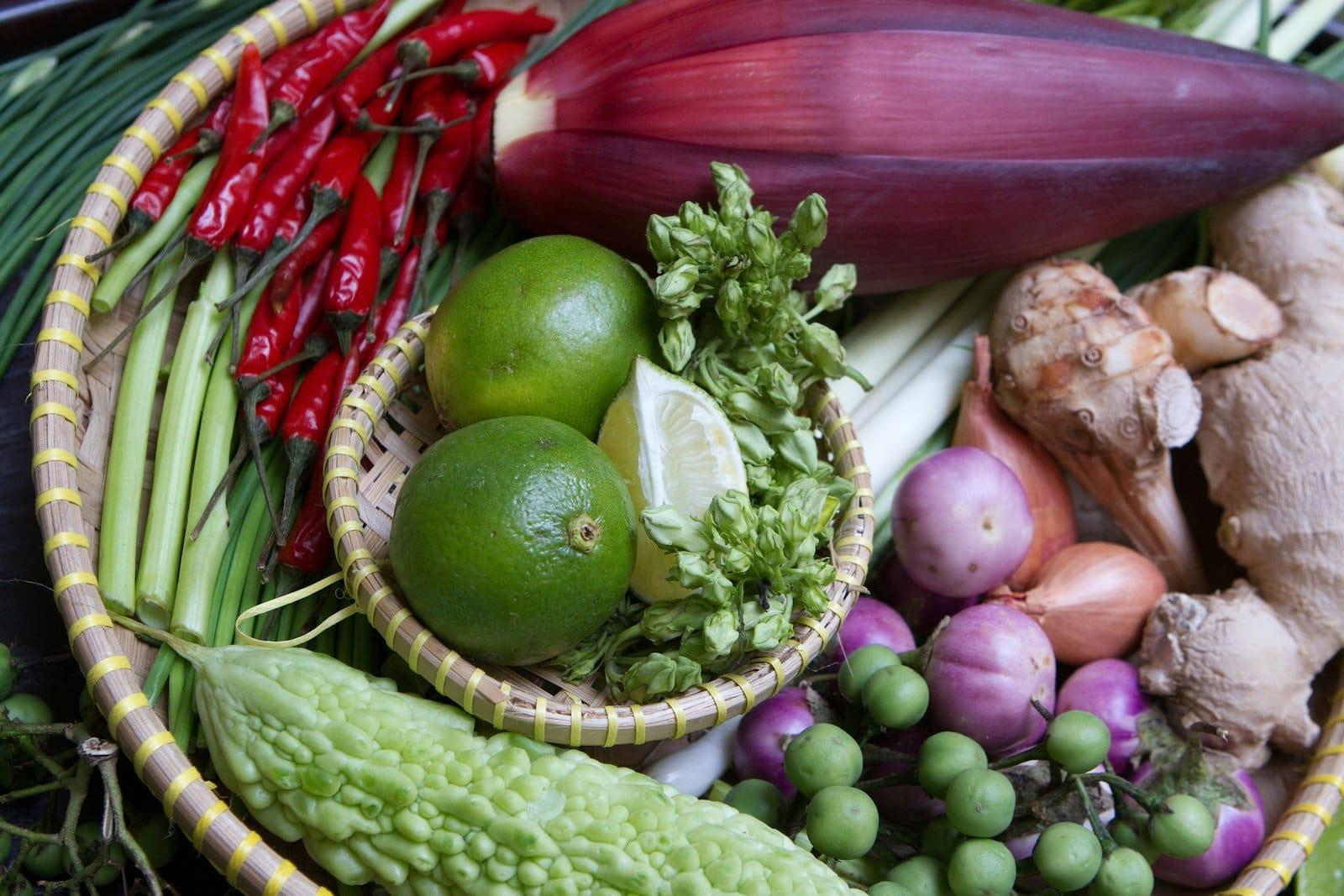
Galangal looks like ginger, but it isn't ginger. It's what gives tom kha gai ("kha" literally means galangal) and tom yum their peppery, citrusy, almost pine-like fragrance.
Read the guide
Makrut lime leaves
An intense citrus scent, somewhere between lime and bergamot: that's makrut lime leaves, still often sold as kaffir lime leaves. Without them, a green curry or a tom yum never quite tastes like Thailand.
Read the guideDried lemongrass
Together with galangal and makrut lime leaves, lemongrass makes up the holy trinity of Thai aromatics. Dried, it's ideal for broths: infuse, enjoy the fragrance, fish it out.
Read the guide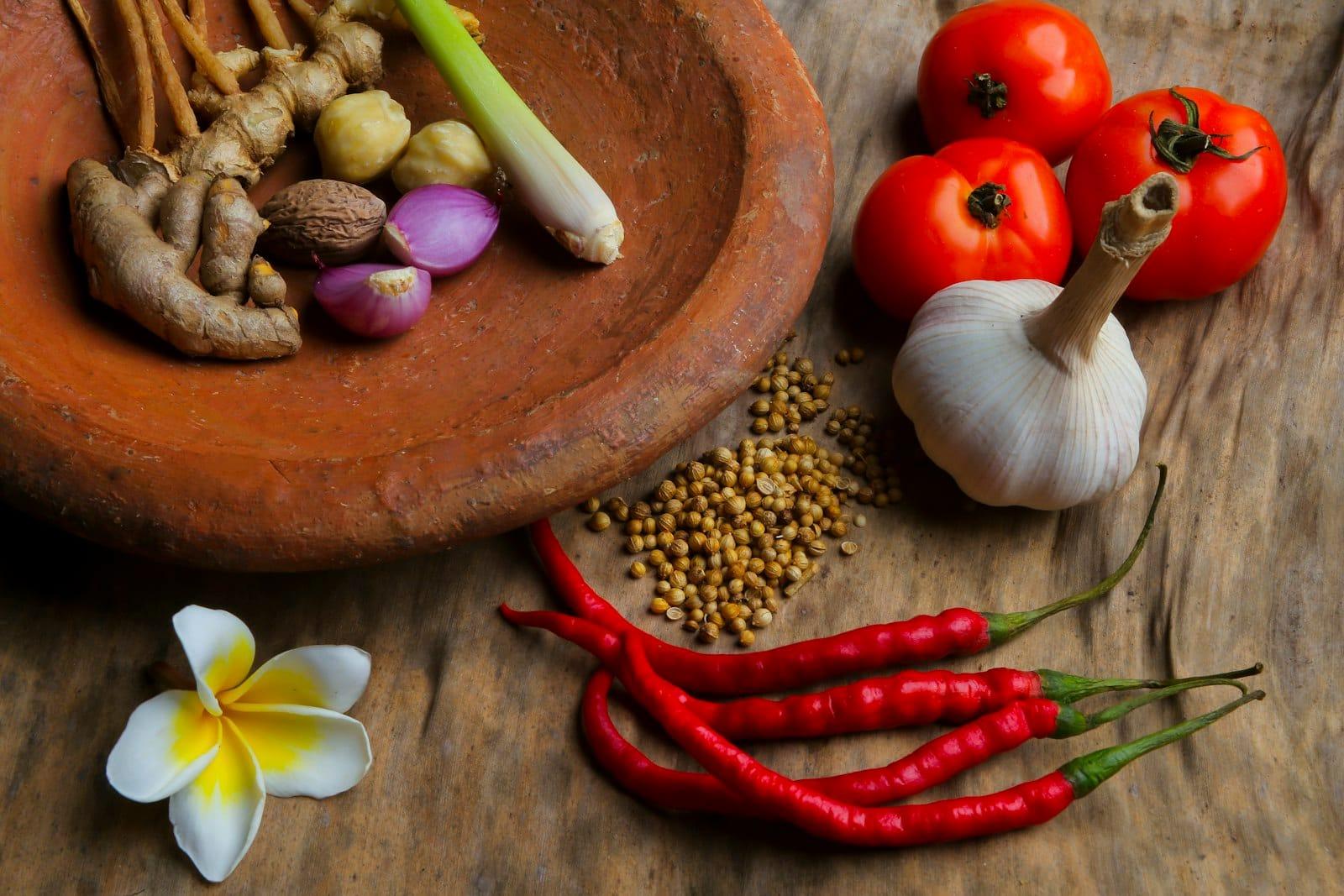
Thai curry paste
At the heart of every Thai curry there's a paste: chillies, garlic, shallots, lemongrass, galangal and spices, pounded for ages in a mortar. It's where all the flavour comes from.
Read the guide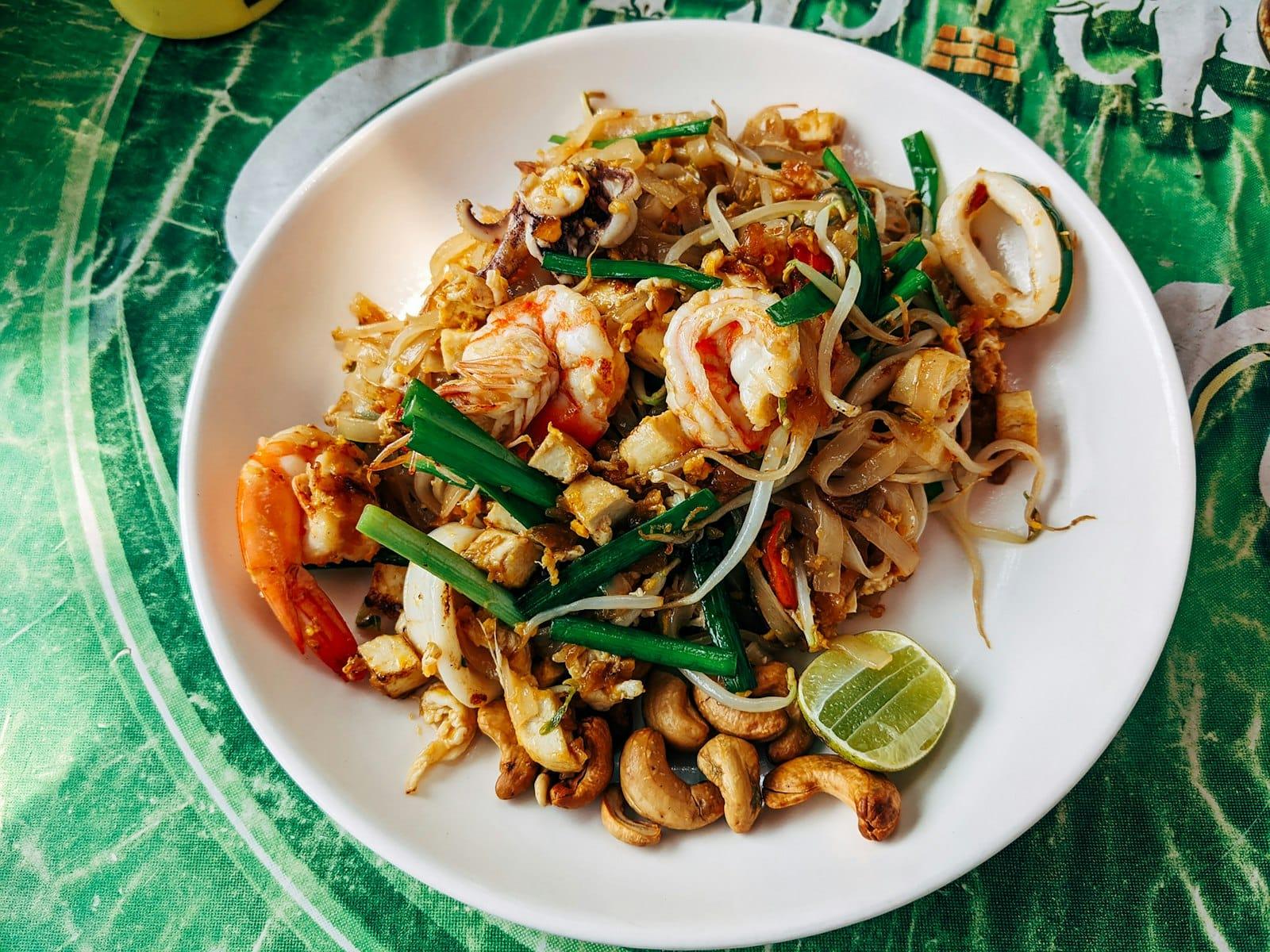
Tamarind paste
If your pad thai has never tasted like the one in Bangkok, the missing piece was probably tamarind. Its fruity, almost jammy sourness is the backbone of the sauce.
Read the guide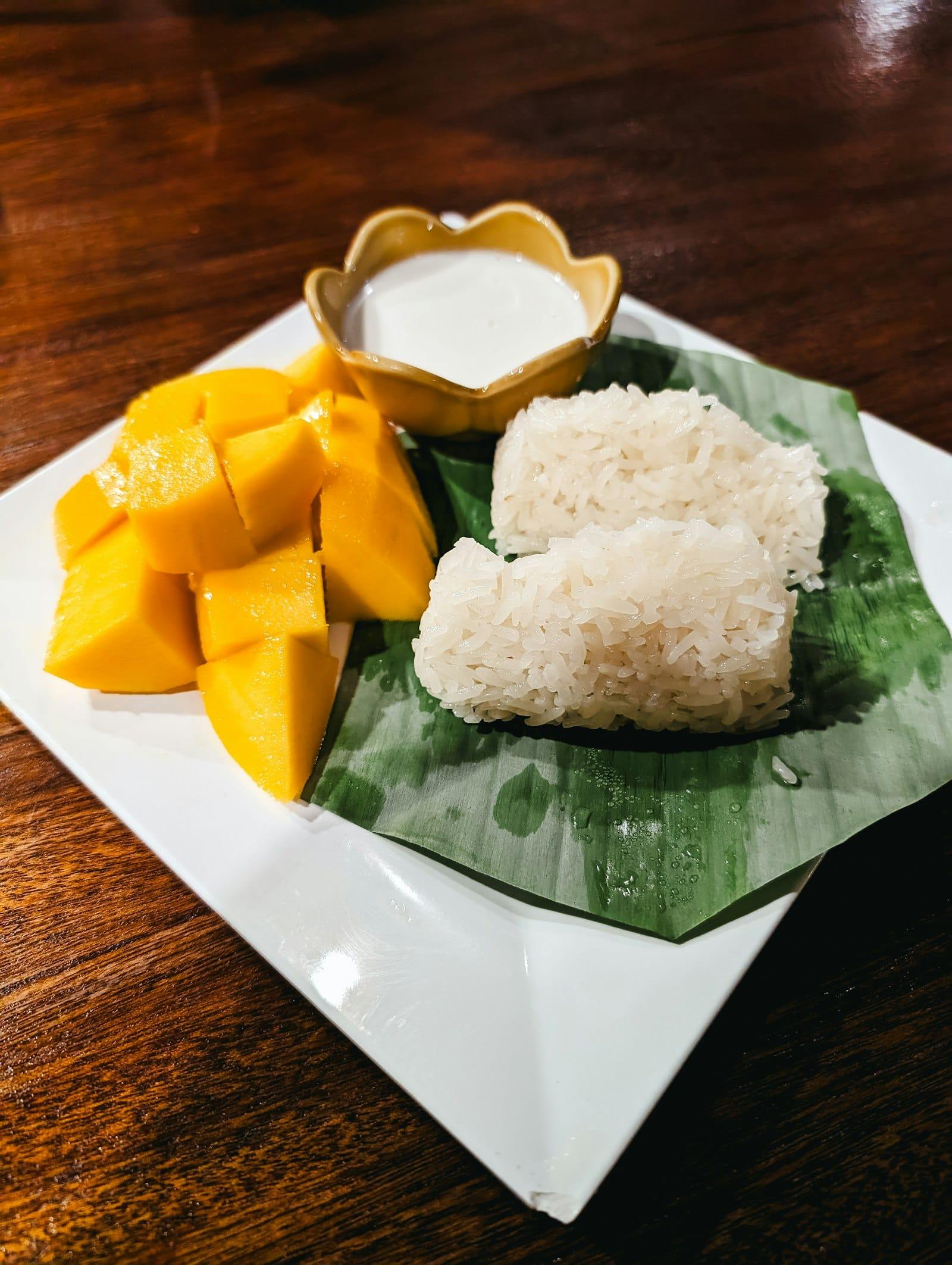
Palm sugar
In Thai cooking, sweetness never works alone: it balances sour, salty and hot. Palm sugar does it with a caramel roundness that white sugar just doesn't have.
Read the guide